Guides & advice
Know your drains
What our engineers wish every London homeowner knew — about blocked drains, CCTV surveys, no-dig repair and the difference between a firm that digs and one that doesn't.
Technical Guides · 6 min read
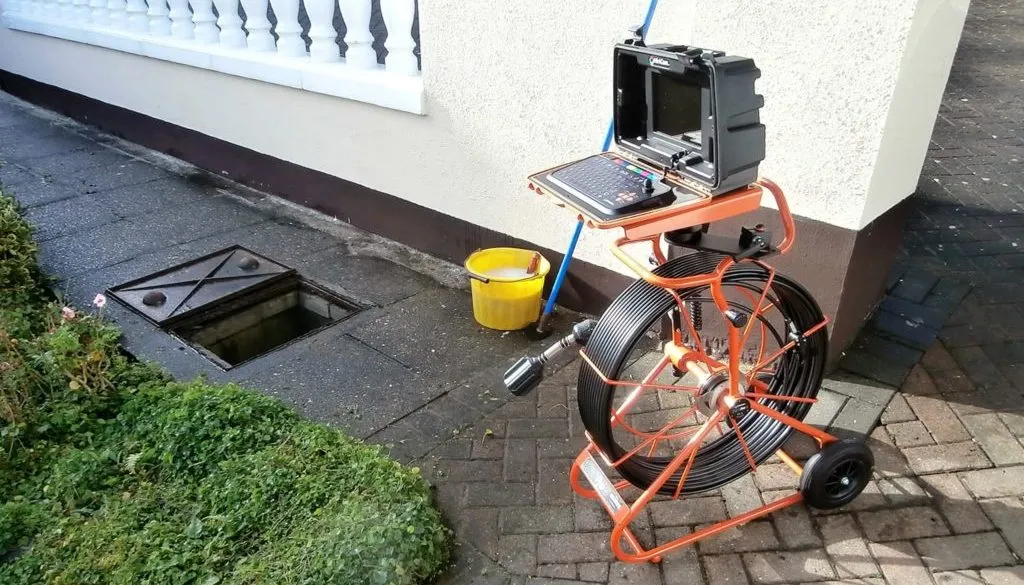
Section 106 Sewer Connection: What It Is and the Surveys You Need
A section 106 sewer connection is the water company's consent to join a new drain to the public sewer. Here is how it differs from the planning agreement with the same number, when you need one, and which surveys to do before you apply.
Read guide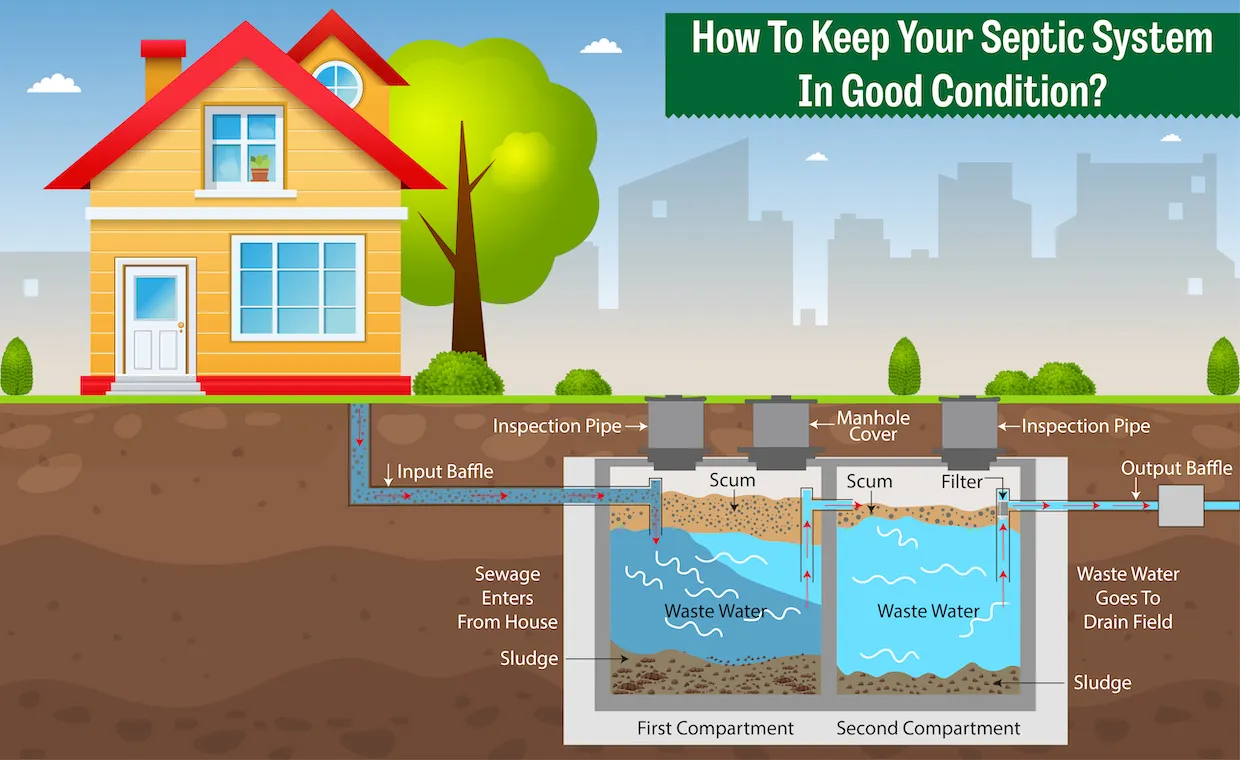
Technical Guides · 7 min read
Is a Septic Tank Covered by Home Insurance? Off-Mains Claims Explained
Buildings insurance often covers sudden damage to a septic tank or its pipes, but not wear, blockages, a clogged drainage field or regulatory upgrades. Here is what off-mains claims turn on and the evidence insurers ask for.
Read guideDrainage Diagnostics · 6 min read
How to Find a Leaking Drain: Signs, Dye Tests and CCTV
Damp after baths or rain, sinking ground and rats are the usual signs of a leaking drain. Here is how to rule out a supply pipe leak first, and how dye tests, water tests and a CCTV survey find which pipe is leaking and exactly where.
Read guideTechnical Guides · 6 min read
How Often Should You Get a Drain Survey? A Guide by Property Type
Most houses do not need a drain survey on a timetable. They need one when something prompts it. Here is when to survey, how soon to look again once defects are found, and how blocks of flats and commercial sites should plan inspections.
Read guideTechnical Guides · 7 min read
What Does a Drainage Surveyor Do? Coding, Reports and Independence
Most drainage surveys in London are done by drainage contractors with a camera, and there is no protected title. Here is what a drainage surveyor should actually do on site, the standard their report should follow, and when it is worth paying for an independent one.
Read guide
Technical Guides · 7 min read
Thames Water Approved Contractor: What It Means for Your Drains
"Thames Water approved" appears on plenty of vans and websites, but for the private drains on your property there is no approval you need a contractor to hold. Here is what the phrase can mean, and the jobs where Thames Water really does have to be involved.
Read guideTechnical Guides · 6 min read
What Is a Rising Main in Drainage? Faults, Surveys and Ownership
Where a property sits too low to drain by gravity, a pump pushes the waste uphill through a rising main. Here is how that pipe works, the faults it develops, why it is harder to survey than an ordinary drain, and who is responsible for it.
Read guideTechnical Guides · 6 min read
Drainage Level Survey: Invert Levels, Falls and When You Need One
A drainage level survey records how deep your drains are and how much they fall between chambers. Designers, building control and water companies often need those figures. For a blocked drain, you rarely do.
Read guide
Drainage Diagnostics · 6 min read
Drain Smoke Test: How It Traces a Sewer Smell in the House
A sewer smell indoors means gas is getting past a trap, joint or seal. Here is what causes it, what to check before paying for anything, and how a smoke test finds the exact leak point when the drains are flowing normally.
Read guide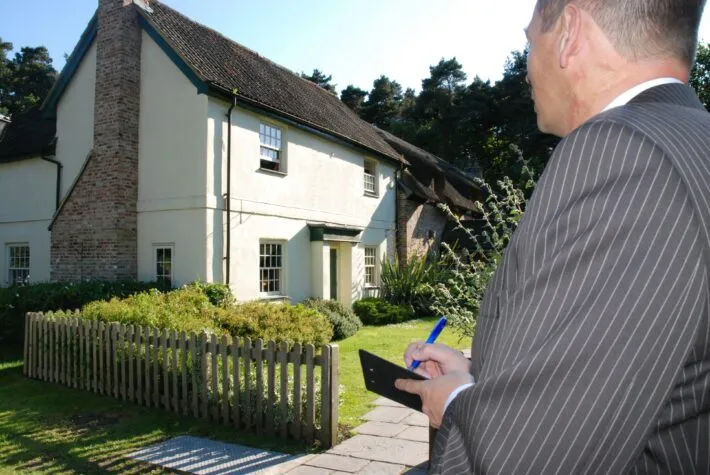
Technical Guides · 5 min read
Drain Survey Found Problems When Buying a House: What Next?
A pre-purchase drain survey has found defects. Before you negotiate, work out how serious they are, whose pipe they are in and what a repair really costs, then choose between a repair, a price reduction, a retention or walking away.
Read guideTechnical Guides · 5 min read
Drainage Expert Witness Reports: What They Are and When You Need One
A drainage expert witness writes for the court, not for the client. Here is how an expert report differs from a CCTV survey report, what it must contain, and why most drainage disputes are settled by good survey evidence before an expert is needed.
Read guideTechnical Guides · 7 min read
Sewer CCTV Survey: How It Differs From a Drain Survey
A sewer survey uses the same camera principle as a drain survey, but the pipe is bigger, busier and often owned by the water company. Here is when one is needed, who can commission it and what the report should contain.
Read guideDrainage Diagnostics · 6 min read
How to Tell If a Drain Has Collapsed (and How a Survey Confirms It)
Repeat blockages in the same spot, water standing in the lowest chamber and sinking ground over the drain run all point to a collapse, but only a camera proves it. Here is how a survey confirms a collapsed drain and pinpoints it.
Read guide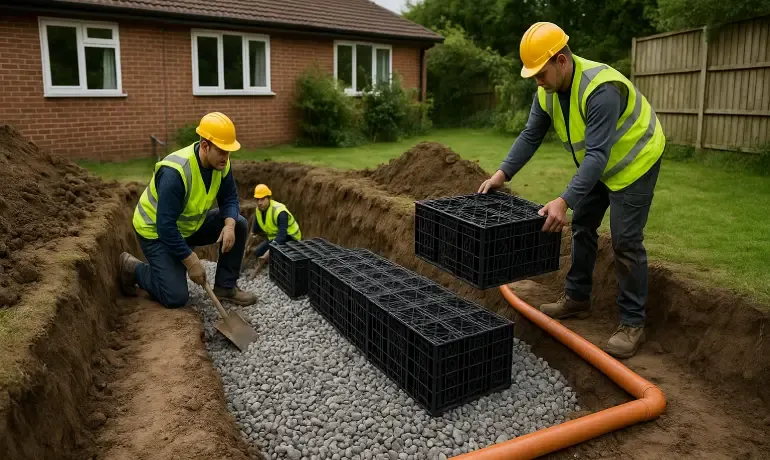
Technical Guides · 6 min read
Where Does My Rainwater Drain Go? Sewer, Soakaway or Surface Water
Rainwater from your roof may go to a combined sewer, a surface water sewer or a soakaway, and you rarely can tell from the downpipe. Here is how to find out, what the sewer records show, and why it matters for your bill and building work.
Read guideTechnical Guides · 6 min read
Septic Tank Survey: What It Checks and When You Need One
A septic tank survey should cover the tank, the drain feeding it and the drainage field it empties into. Here is what gets checked, which rules apply, and what the written report should tell a buyer or conveyancer.
Read guideTechnical Guides · 6 min read
Soakaway Percolation Test: How It Works and What the Result Means
A percolation test tells you whether your ground will take water before you build a soakaway. Here is how the BRE 365 test works, why London Clay so often fails it, and which checks to ask for once a soakaway is in.
Read guideTechnical Guides · 5 min read
Utility Survey vs Drainage Survey: What Is the Difference?
A utility survey finds and maps buried services before digging. A drainage survey goes inside the drains to trace, measure and grade them. Here is how they differ, where utility surveys miss drains, and which one your job needs.
Read guideTechnical Guides · 6 min read
Dilapidation Drain Survey: Recording Your Drains Before Building Work
A schedule of condition before a neighbour's basement or extension rarely includes the drains. A dated CCTV survey before and after the works does. Here is what it should record and how the comparison works.
Read guideTechnical Guides · 5 min read
Drain Mapping: How to Get a Plan of Your Property's Drains
Sewer maps show the public sewer, not the drains on your side of the boundary. Here is where to look for an existing drainage plan, how a drain mapping survey fills the gaps, and when you need one.
Read guideTechnical Guides · 5 min read
Drain Surveys for Blocks of Flats: A Guide for Managing Agents
Repeated blockages, basement smells and insurance claims in a block of flats all come back to the communal drains. Here is who is responsible, what a block survey should cover and how the report supports consultation with leaseholders.
Read guideTechnical Guides · 6 min read
Should a Drain Be Jetted Before a CCTV Survey?
Most condition surveys need a clean pipe, because a camera cannot see through grease, silt or standing water. But for a suspected collapse, a pre-purchase survey or an insurance claim, the camera should go in first. Here is how to decide the order.
Read guideTechnical Guides · 5 min read
Is Drain Damage Accidental or Wear and Tear? What Insurers Look For
Buildings policies often cover accidental damage to underground drains but exclude gradual deterioration. Which side your drain falls on depends on evidence of cause, and that usually comes from a CCTV survey. Here is how the distinction works.
Read guideTechnical Guides · 5 min read
How Long Does a CCTV Drain Survey Take?
For a typical London house with clear, flowing drains, a CCTV survey usually takes one to two hours on site. Blockages, missing chambers and long runs add time, and the written report follows separately. Here is what happens and how to keep it moving.
Read guideTechnical Guides · 6 min read
Drain Pressure Testing: Air Test vs Water Test and What Each Proves
A drain test tells you whether a pipe holds pressure. It does not tell you where it leaks or why. Here is how air and water tests work, when building control needs one, and when a CCTV survey is the better evidence.
Read guide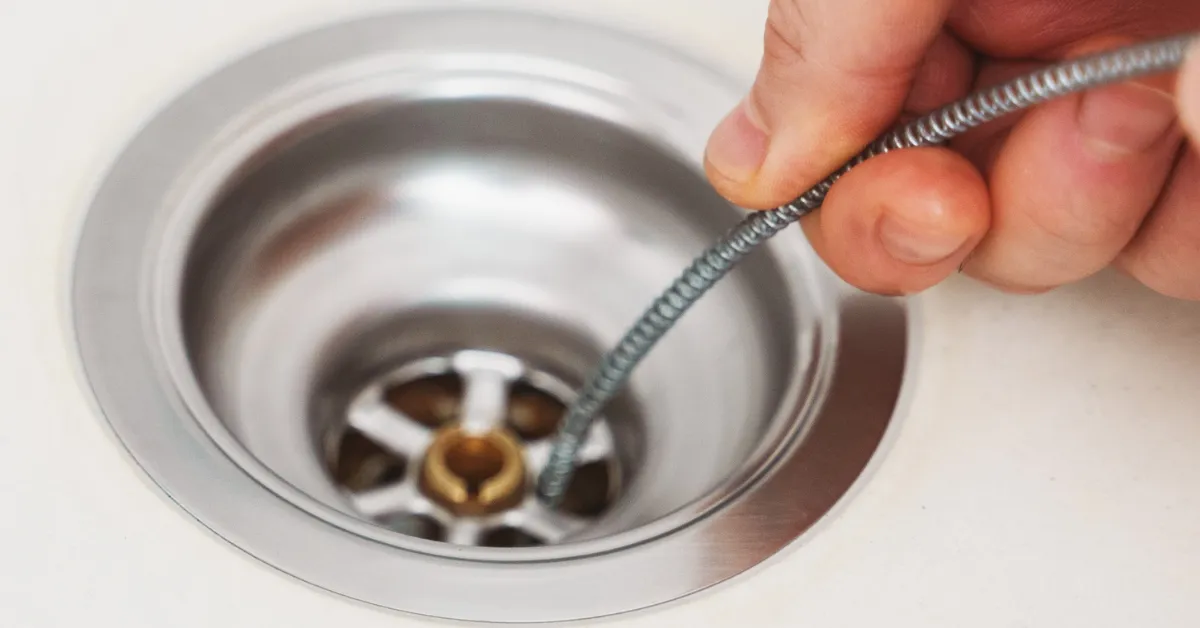
Drainage Diagnostics · 6 min read
Blocked Sewer or Your Own Drain? How to Tell Who Clears It
Whether a blockage sits in your private drain or in the public sewer decides who clears it and who pays. You can often tell which in a few minutes by lifting the right manhole covers. Here is how the check works.
Read guideTechnical Guides · 6 min read
Build Over Agreements: The CCTV Drain Surveys You Need Before and After
Building over or near a public sewer needs the water company's agreement, and that process often turns on CCTV evidence of the pipe before and after the work. Here is what the surveys are for and what makes one usable.
Read guideDrainage Diagnostics · 6 min read
Emergency Drain Survey: When Urgent CCTV Is Worth It
An urgent CCTV survey is worth it when a decision or a deadline depends on the evidence. For most blocked drains, clearing comes first and surveying second. Here is how to tell which situation you are in.
Read guide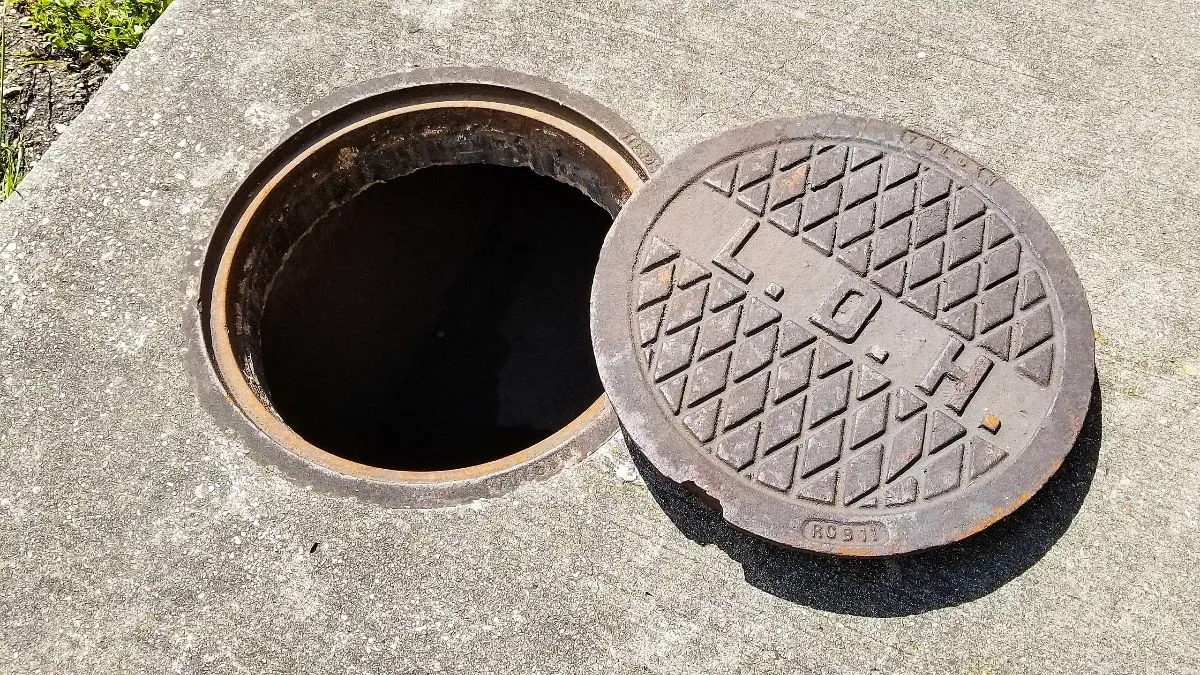
Technical Guides · 7 min read
Manhole or Inspection Chamber? How to Tell the Difference
Most covers in a London front garden are not manholes at all. They are shallow inspection chambers, built to be rodded and surveyed from the surface. The difference changes who can work on them, how, and sometimes who owns them.
Read guideDrainage Diagnostics · 5 min read
Drain Camera Inspection vs CCTV Drain Survey: What's the Difference?
The same camera can produce a quick look or a formal document. Which one you need depends on who will read the result and what decision rides on it.
Read guideTechnical Guides · 5 min read
Commercial CCTV Drain Survey: What Facilities Managers Should Ask For
A commercial drain survey is judged by whether the report can run a maintenance budget, settle a lease dispute and satisfy an insurer. Here is what to specify before anyone lifts a cover.
Read guideTechnical Guides · 5 min read
Types of Drainage Survey: CCTV, Tracing, Levels and Testing
"Drainage survey" covers several different jobs. Each answers a different question, and booking the wrong one leaves you with a report that does not help the person who asked for it.
Read guideTechnical Guides · 8 min read
CCTV Drain Survey Report Explained: Grades 1 to 5 and Defect Codes
Every surveyed run gets two grades from 1 to 5, one structural and one service, and a grade 3 means different work in each. Here is what the grades, defect codes and chainages tell you.
Read guideTechnical Guides · 5 min read
How to Choose a Drainage Company in London: What to Ask Before You Book
Before you book a London drainage company, ask three things: does a CCTV survey come before any repair, is a coded written report included, and is the quote itemised after the survey?
Read guide
Technical Guides · 4 min read
The Real Cost of Cheap Drain Unblocking in London: A Technical Assessment
A cheap, one-off drain unblocking often masks deeper problems, leading to repeat callouts and higher long-term costs. We explain why a diagnostic CCTV survey is the only cost-effective starting point.
Read guideTechnical Guides · 3 min read
No Clear, No Charge: Our Diagnostic Approach to Drain Clearance Explained
Our 'No Clear, No Charge' policy means you only pay for a successful drain clearance, verified by our diagnostic CCTV survey. It's a commitment to transparency and results-based service.
Read guideTechnical Guides · 5 min read
CCTV Drain Surveys for Insurance Claims: A Step-by-Step Guide
Insurers want the cause, location and extent of drain damage in writing. A coded CCTV drain survey report supplies all three, and this is how it is put together, step by step.
Read guideTechnical Guides · 4 min read
Signs of a Blocked Drain at Home: What Each Symptom Tells You
Slow drainage, gurgling, bad smells and water rising in one fixture when another drains are the main signs of a blocked drain. Each one narrows down where the blockage sits.
Read guideTechnical Guides · 5 min read
Drain Clearance Methods Explained: Rodding, Suction and Water Jets
Our engineers detail the core methods of professional drain clearance, explaining how we use CCTV surveys to diagnose blockages and select the most effective clearance technique.
Read guideTechnical Guides · 3 min read
What Causes a Blocked Drain? A CCTV Survey Analysis
A blocked drain is a symptom of a specific, identifiable problem. We explain the common causes, from fat accumulation to structural defects, and how a CCTV survey is essential for accurate diagnosis.
Read guideTechnical Guides · 5 min read
How to Unblock a Drain Yourself vs. When to Call a Professional
We compare DIY drain clearing methods with professional diagnosis using CCTV surveys, detailing when a simple fix is sufficient and when expert intervention is critical.
Read guide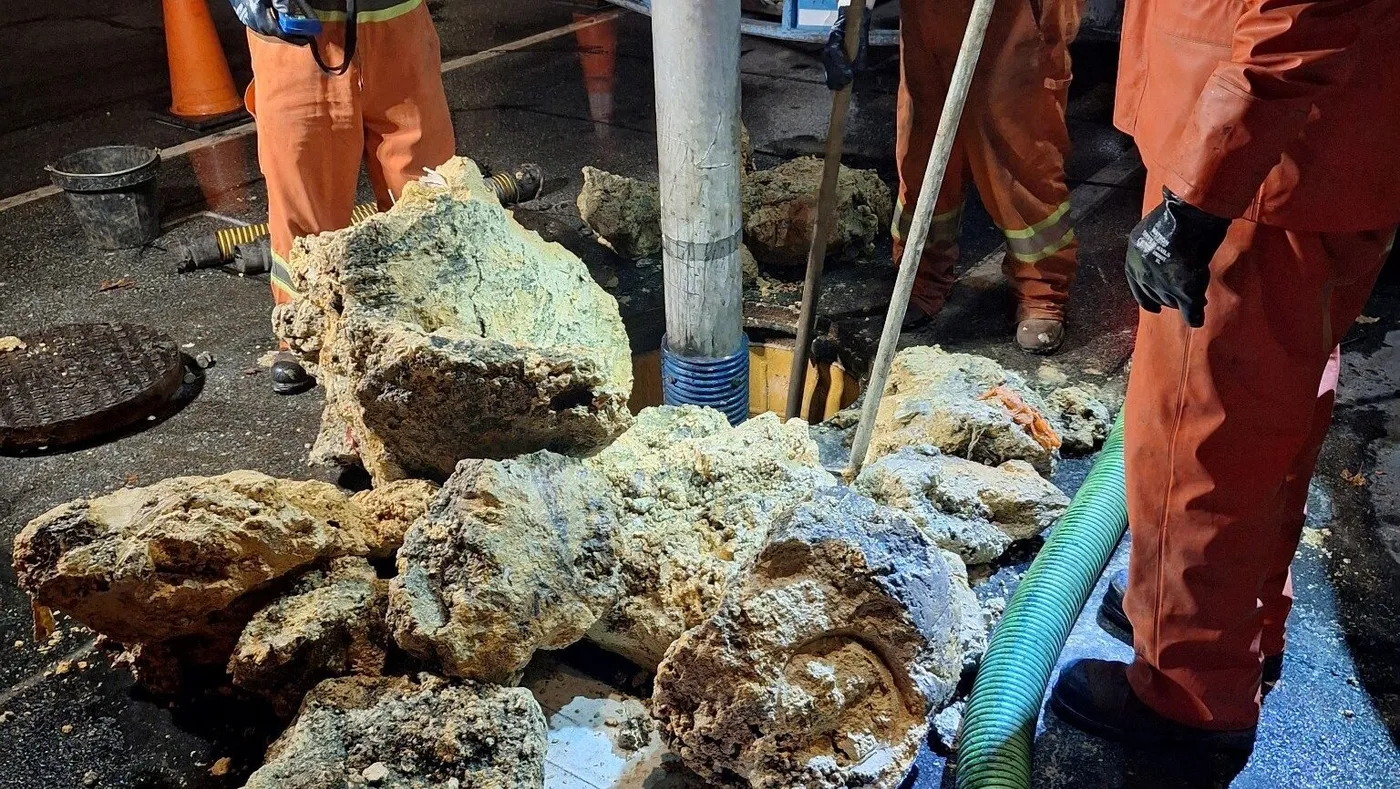
Technical Guides · 4 min read
Fatbergs Explained: What They Are and How to Prevent One
A fatberg is a congealed mass of FOG (fats, oils, greases) and non-biodegradable waste that blocks sewers and drains. We explain their formation and how to prevent them.
Read guide
Diagnostic Guides · 4 min read
Why Is My Toilet Gurgling? A Diagnostic Guide
A gurgling toilet is a key symptom of negative air pressure in your drains, signalling a partial blockage or ventilation issue that requires investigation.
Read guide
Technical Guides · 3 min read
Slow Draining Sink: Common Causes & Diagnostic Investigation
A slow-draining sink is often a symptom of an underlying blockage or fault. This guide details the common causes and the diagnostic process required to identify the precise issue.
Read guide
Technical Guides · 4 min read
Tree Roots in Drains: How to Identify Them and the Correct Remedial Steps
Tree root intrusion is a common, progressive drain defect. This guide explains how we definitively diagnose it via CCTV survey, document the evidence, and outline the precise remedial options.
Read guideDrainage Diagnostics · 4 min read
What Is a CCTV Drain Survey and Do I Need One?
A CCTV drain survey is a precise diagnostic procedure that uses a remote-controlled camera to inspect and document the internal condition of your drainage system.
Read guide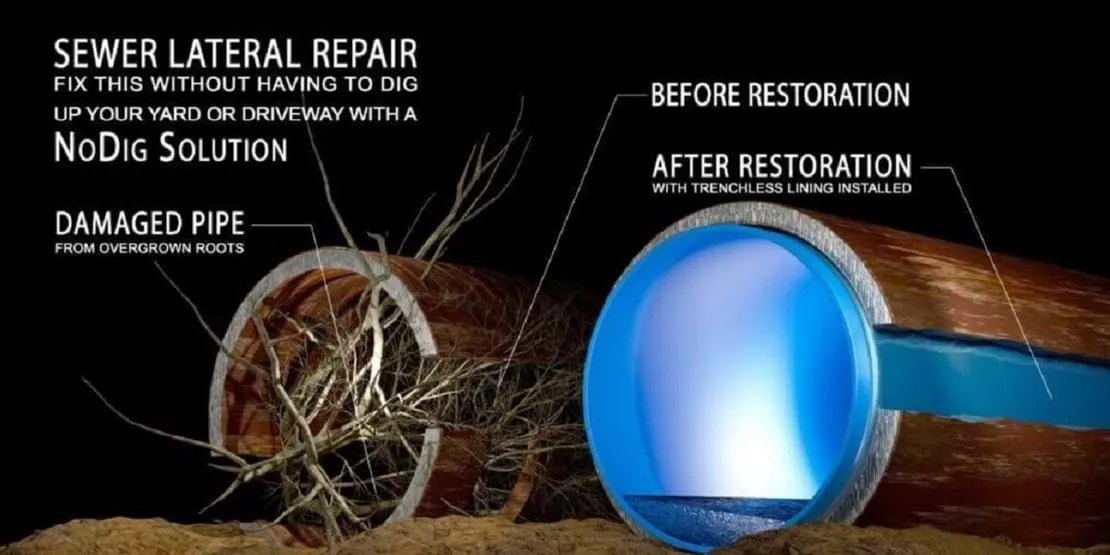
Technical Guides · 5 min read
No-Dig Drain Repair vs Excavation: A CCTV Survey-Led Guide to the Right Choice
Choosing between no-dig repair and excavation requires a precise diagnosis. We detail how CCTV survey evidence guides this critical decision.
Read guideTechnical Guides · 4 min read
How Long Does Drain Relining Take? A CCTV-Led Procedural Breakdown
The duration of a drain relining project is dictated by the diagnostic findings from our CCTV survey. We outline the procedural stages and typical timeframes involved.
Read guideTechnical Guides · 4 min read
Cracked or Collapsed Manhole Cover: What to Do and What to Check
A cracked or collapsed manhole cover is a trip hazard first: cordon it off and do not lift it. Then a camera inspection shows whether only the cover failed or the chamber below it is failing too.
Read guideTechnical Guides · 3 min read
Soakaway Not Draining: Common Causes and How a CCTV Survey Provides the Answer
A soakaway failure is a drainage problem that demands precise diagnosis. We outline the common causes, from siltation to structural collapse, and explain why a CCTV survey is the only way to document the exact fault.
Read guideTechnical Guides · 4 min read
A Technical Septic Tank Maintenance Checklist for London Properties
Our technical checklist for septic tank maintenance prioritises systematic diagnosis and documented evidence, detailing key inspection points and the critical role of CCTV surveys.
Read guideTechnical Guides · 5 min read
Persistent Drain Smells: A Guide to Diagnosis & Evidence-Based Solutions
A foul drain smell is a diagnostic clue pointing to blockages, pipe damage, or ventilation issues. We explain the evidence-based process to identify the exact cause.
Read guide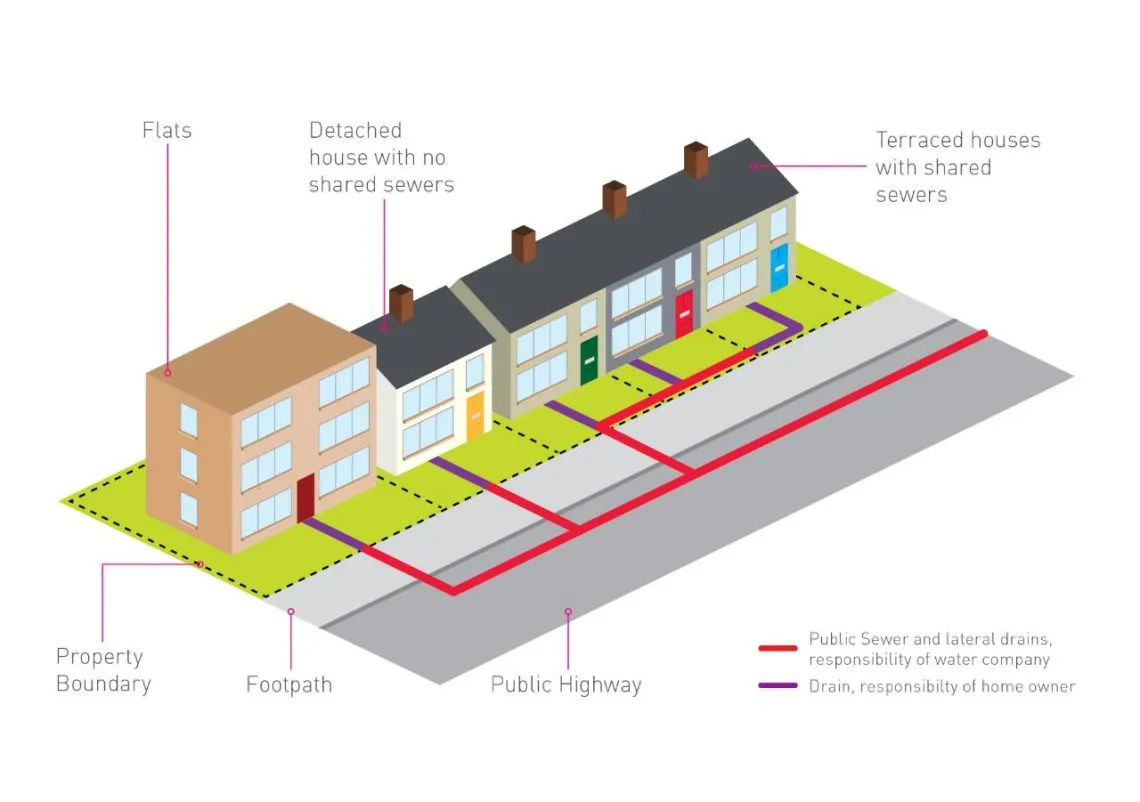
Technical Guides · 4 min read
Shared Drain Blockage: Who is Responsible for Repairs?
Determining liability for a shared drain blockage hinges on a professional CCTV survey and documented evidence of the defect's location and cause.
Read guideTechnical Guides · 4 min read
Buying a House: Should You Get a Drain Survey?
A pre-purchase drain survey is a critical diagnostic check, using CCTV technology to reveal hidden defects and potential liabilities in a property's drainage system.
Read guide
Technical Guides · 4 min read
Landlord Drainage Responsibilities Explained: A Technical Guide
We explain the precise drainage responsibilities of landlords, focusing on how documented evidence from CCTV surveys establishes compliance and informs maintenance.
Read guide
Technical Guides · 5 min read
Grease Trap Maintenance Records: Using Inspections to Set Service Frequency
This procedural guide details the evidence-led maintenance and diagnostic inspection required for commercial kitchen grease traps to prevent blockages and compliance issues.
Read guide
Technical Guides · 4 min read
Winter Drain Problems: Identifying Frozen Pipes and Blockages
Winter presents distinct diagnostic challenges for drainage systems. We detail the procedural signs of frozen pipes and cold-weather blockages, and explain how a CCTV survey delivers definitive evidence for an accurate repair plan.
Read guideTechnical Guides · 3 min read
What Affects the Cost of a CCTV Drain Survey? Access, Length, Complexity
A CCTV drain survey cost depends on access, drain length, and problem complexity. We explain our diagnostic process and the value of a documented survey.
Read guide