What Causes a Blocked Drain? A CCTV Survey Analysis
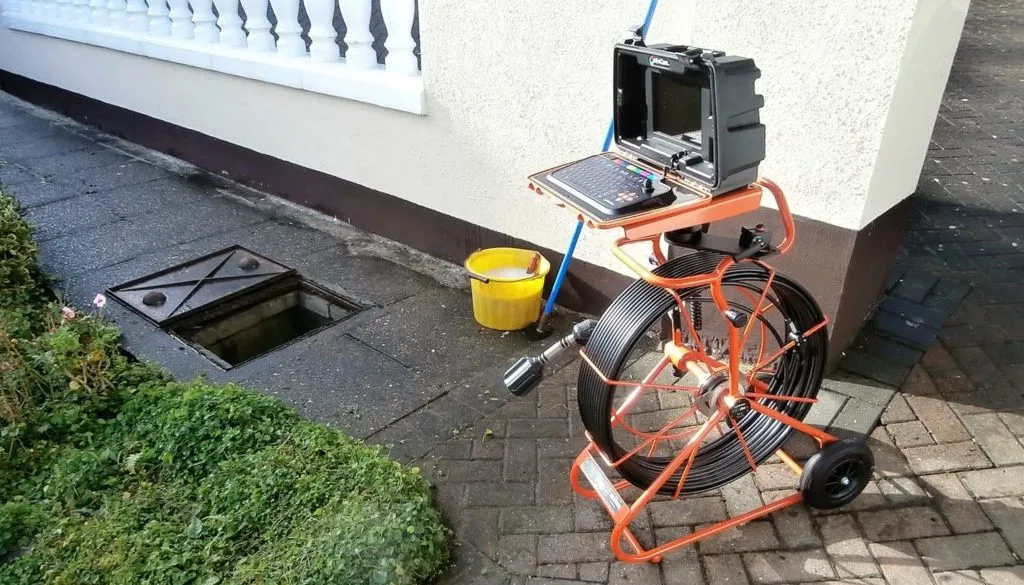
A blocked drain is a symptom of a specific, identifiable problem. We explain the common causes, from fat accumulation to structural defects, and how a CCTV survey is essential for accurate diagnosis.
When a drain blocks, it is not a random event. It is the direct result of a specific, identifiable cause within the pipework. Understanding these causes is the first step towards a permanent solution, and this understanding must be based on documented evidence, not guesswork. Our approach to diagnosing blocked drains is led by Closed-Circuit Television (CCTV) survey technology, which allows our engineers to visually inspect the internal condition of your drainage system and pinpoint the exact obstruction or defect.
The Primary Culprits Identified by CCTV
CCTV surveys consistently reveal a set of common offenders. The most frequent cause of blockages in domestic and commercial kitchens is Fat, Oil, and Grease (FOG). When poured down sinks, these substances cool, solidify, and adhere to pipe walls. Over time, this accumulation, often combining with other debris like wet wipes, creates a hardened mass known as a fatberg, which can completely occlude a pipe. In bathrooms, hair binds with soap scum to form resilient clogs, while non-flushable items such as wipes, cotton buds, and sanitary products are a major cause of sewer blockages.
Beyond typical blockages, external factors cause significant issues. Tree root ingress is a common structural problem. Roots are drawn to the moisture and nutrients in pipes, exploiting even hairline cracks in joints. They can grow into the pipe, forming a dense mesh that traps waste and causes complete blockages. Furthermore, the pipe itself may be the cause. Structural defects like collapses, fractures, or misaligned joints from ground movement or ageing can create a ‘step’ in the pipe that catches debris and leads to recurrent blockages.
Why Diagnosis Requires Visual Evidence
Attempting to clear a blockage without knowing its precise nature and location is a temporary measure. A high-pressure jet may clear a simple fat clog but will not remove a root mass or repair a collapsed pipe; it may even worsen the damage. Our CCTV survey provides a definitive record. The high-resolution footage shows the exact nature of the obstruction, its precise location (down to the metre), and the condition of the surrounding pipe. This allows us to distinguish between a simple blockage and a symptom of a more serious structural fault.
This documented evidence is crucial for determining the correct remediation strategy. It dictates whether jetting, root cutting, or a structural repair like patch lining or pipe replacement is necessary. The survey report we provide becomes a permanent record of your drain's health, useful for planning future maintenance or for property transactions. By foregrounding diagnosis, we move from reactive clearing to proactive drainage management, addressing the root cause to prevent rapid recurrence.
Frequently asked questions
Can't I just use chemical drain cleaners for a blockage?
We strongly advise against it. Chemical cleaners are often ineffective against solid obstructions like roots or fatbergs and can corrode older pipework, leading to costly leaks. More critically, they provide no diagnostic information. A CCTV survey identifies the exact cause, ensuring the correct, safe, and long-lasting solution is applied.
What does a CCTV drain survey actually show you?
The survey provides a real-time, high-definition video feed from inside your drain. Our engineers can identify the type and location of blockages (e.g., fat, roots, foreign objects), assess structural condition (cracks, fractures, collapses), check for root ingress at joints, and measure the pipe's overall integrity. This visual evidence forms the basis of our detailed diagnostic report.
If jetting clears the drain, why do I need a survey?
Jetting is a clearance method, not a diagnostic tool. It removes the symptom but not necessarily the cause. A survey conducted after jetting reveals if the blockage was superficial or a symptom of an underlying issue like root intrusion or pipe damage. Without this evidence, a repeat blockage is likely, making the survey a cost-effective investment in a permanent fix.