Identifying the Signs of a Blocked Drain at Home: A Diagnostic Guide
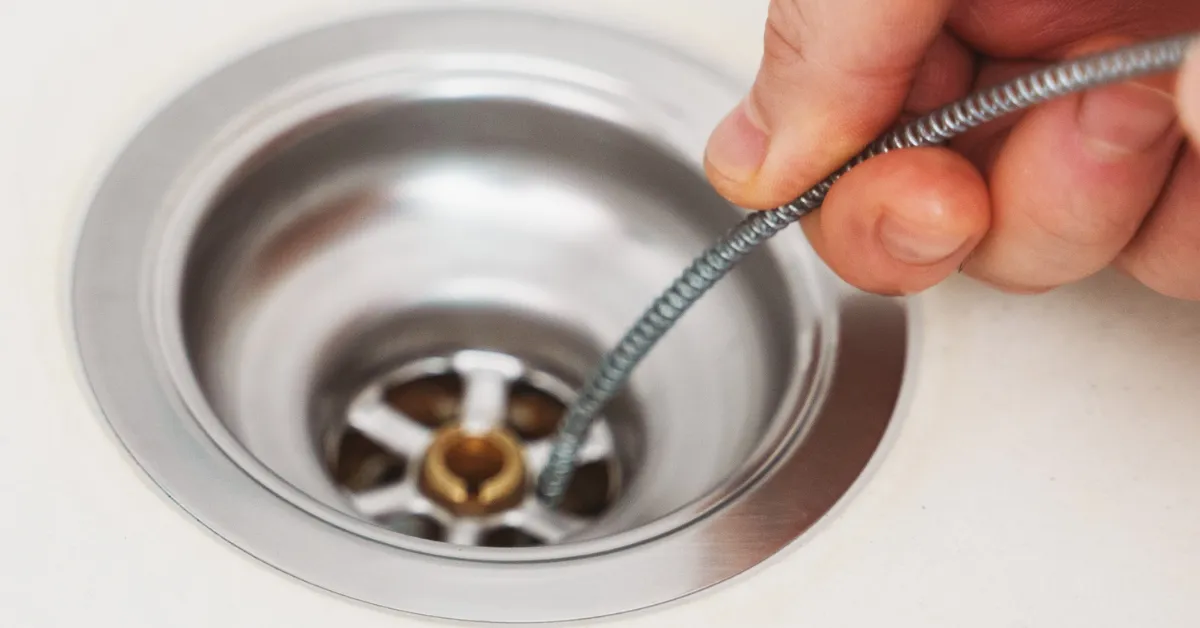
Recognising the early signs of a blocked drain is crucial for preventing major issues. This guide explains the diagnostic indicators and the role of a CCTV survey in providing documented evidence of the blockage.
Primary Diagnostic Indicators
Professional diagnosis begins with observing specific, reproducible symptoms. The most immediate sign is slow drainage. When water drains from a sink, bath, or shower tray with noticeable reluctance, it indicates an obstruction impeding flow. This is a quantifiable symptom, often the first stage before a complete halt. Similarly, water backing up in one fixture when another is used—such as a sink filling when the washing machine drains—points to a shared pipe section that is partially blocked. These are not minor inconveniences; they are empirical data points signalling a developing problem within your drainage system.
Secondary Evidence: Sounds and Odours
Further diagnostic clues are auditory and olfactory. Gurgling sounds from drains or toilets are caused by air trapped behind the blockage, being forced through water as it attempts to pass. This is a clear mechanical indicator of an obstruction altering normal airflow within the pipes. Unpleasant odours are another critical sign. A healthy drain has a water trap (U-bend) that seals foul gases from the sewer. A blockage can either displace this water seal or cause decomposing waste to accumulate, releasing gases back into the property. These smells are evidence of a hygiene compromise requiring investigation.
The Role of a CCTV Drain Survey
While surface symptoms confirm a problem exists, precise identification of its location, nature, and cause requires internal inspection. This is where a CCTV (Closed-Circuit Television) drain survey is the definitive diagnostic procedure. Our engineers insert a flexible, articulated rod with a high-resolution camera into the drainage system. This provides real-time, documented visual evidence of the internal condition. We can pinpoint the exact location of a blockage, identify whether it is caused by fat, roots, structural damage, or collapsed pipework, and assess its severity. The survey is recorded, creating a permanent visual report that forms the basis for any recommended remediation.
Procedural Response to Symptoms
Upon identifying the signs, a methodical approach is essential. Avoid repeated use of chemical drain cleaners, as they can damage pipe linings and complicate subsequent CCTV analysis by dissolving only part of a blockage. The procedural next step is to engage a specialist for a diagnostic survey. This evidence-led approach prevents guesswork. For instance, surface symptoms might suggest a simple blockage, but CCTV footage could reveal a more serious issue like a fractured pipe or root intrusion, which requires a different solution entirely. Our process is to diagnose first, then act on the documented evidence, ensuring the correct, most effective remedy is applied from the outset.
Preventative Observation
Regular observation of your drainage system’s performance is a form of preventative diagnostics. Note changes in flow rate, listen for new sounds, and be aware of odours. Early detection of the minor signs listed here allows for intervention before a partial blockage becomes a complete system failure, which can lead to internal flooding and significant property damage. Scheduling periodic CCTV surveys, especially for older properties or those with large tree coverage, provides a baseline of your system’s health and can identify developing issues like root growth or pipe degradation before they cause a disruptive blockage.
Frequently asked questions
Can a blocked drain clear itself?
While minor impediments may sometimes shift with high-volume water flow, a true blockage causing consistent symptoms will not clear itself. The material causing the obstruction—like solidified fat, roots, or collapsed debris—typically requires mechanical or high-pressure removal. Relying on self-clearance risks allowing the blockage to worsen, potentially leading to a complete backup.
Why is a CCTV survey necessary if I already know the drain is blocked?
Knowing you have a blockage is not the same as knowing its cause, exact location, or severity. A CCTV survey provides documented visual evidence. This prevents misdiagnosis; for example, treating a root intrusion as a fat blockage would be ineffective. The survey ensures the correct, most efficient solution is employed, saving time and potentially avoiding unnecessary excavation.
What should I do immediately after noticing the signs?
First, minimise water use in the affected area to prevent overflow. Do not use chemical cleaners, as they can hinder camera inspection. Then, contact a drainage specialist. Explain the observed symptoms—slow drainage, gurgling sounds, odours. A professional will then typically recommend a CCTV survey as the next diagnostic step to accurately assess the situation before any work begins.